
Based on This Old House (updated April 16, 2026) and the National Roofing Contractors Association.
How often should you have your roof inspected? For most homes, once a year, and twice a year (spring and fall) is better. The National Roofing Contractors Association (NRCA) recommends at least two inspections a year plus one after severe weather, and This Old House says experts generally recommend once a year. Older roofs, roofs under heavy trees and flat commercial roofs need the twice-a-year schedule.
We are the Afford-A-Pro team in Jasper, and we inspect roofs across the Sequatchie Valley for free. This guide gives a schedule by roof type, age and situation, explains when a roof needs an extra inspection, and covers what you can safely check yourself in between. If yours is due, our roof inspection comes with a written report and photos.
In this guide
- What the roofing experts recommend
- A roof inspection schedule by situation
- After a storm: inspect right away
- Does a new roof need to be inspected?
- What you can check between inspections
- Inspections and insurance
- Inspection timing in the Sequatchie Valley
- Roof inspection frequency questions
What the Roofing Experts Recommend
The published guidance lines up closely:
- NRCA: inspect roof systems at least twice a year, preferably in the spring and fall, and again after severe weather such as a tornado or hailstorm (Professional Roofing, the NRCA’s magazine).
- This Old House: once a year as a general rule, ideally twice a year or after major weather events. Roofs nearing the end of their lifespan, which it puts at typically 20 to 30 years, may need more frequent inspections, and metal roofs may need them less often than asphalt shingles.
- Metal roof manufacturers: McElroy Metal’s owner’s manual says its roofs should be inspected annually at a minimum, plus after high winds, hail, abnormally heavy rain, ice or snow.
- Flat roof membrane manufacturers: Carlisle recommends inspecting its single-ply roofs every six months, preferably spring and fall, and after any storm with heavy rain, high wind or hail.
Our own advice for homes matches: at least once a year, plus after any major storm. For commercial roofs, we recommend professional attention at least twice a year.
A Roof Inspection Schedule by Situation
| Your roof | How often | Why |
|---|---|---|
| Shingle roof in good shape | Once a year | Catches lifted shingles, granule loss and flashing wear early |
| Roof under heavy trees, or on the plateau | Twice a year | Leaves, shade and humidity clog valleys and gutters and feed moss |
| Shingle roof nearing 15–20 years | Once a year at least, twice is better | Older roofs fail faster once wear starts |
| Metal roof | Once a year | Fasteners, trim and flashing are where metal leaks |
| Flat or low-slope commercial roof | Twice a year | Drains, seams and rooftop equipment need regular checks |
| After a major storm | Right away | Hail and wind damage are easy to miss from the ground |
| Buying or selling a home | Before closing | Sets the roof’s condition and remaining life |
| After other trades work on the roof | Once they finish | HVAC, satellite and other installers can scratch, puncture or leave debris |
Frequencies follow the NRCA, This Old House, McElroy Metal and Carlisle guidance above; the after-trades row is from McElroy Metal’s manual.
After a Storm: Inspect Right Away
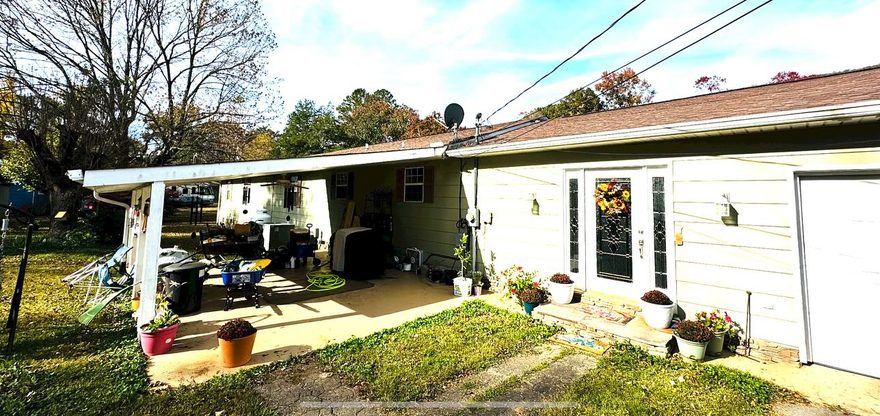
The yearly visit is the floor, not the ceiling. Spring storms in the Tennessee Valley bring high wind and hail, and storm damage rarely shows from the yard. Hail bruises on shingles keep wearing after the storm, and a lifted shingle or loose piece of metal trim lets in water the next time it rains.
After a hailstorm or a strong wind, walk around the house and look for shingles, trim or limbs in the yard, and dents in gutters and downspouts. Then have the roof looked at before you file anything. Our guide to a hail damage roof inspection covers what gets checked after hail.
Does a New Roof Need to Be Inspected?
Yes, twice over. First at the end of the job: the roofer should inspect the finished roof, and where the job needed a building permit, the local building department may inspect it too. On our roof replacement jobs, we do a quality inspection of the completed roof and walk you through the finished project before we leave.
After that, a new roof still goes on the yearly schedule. It is unlikely to need much, but the first inspections catch installation details that only show up after a season of weather, and they start the record of care that helps with warranty questions and any later insurance claim.
What You Can Check Between Inspections
You don’t need to climb up to keep an eye on your roof. The NRCA says most of a homeowner’s inspection of a steep-slope roof can be done from the ground or a ladder, and This Old House suggests binoculars. Look for:
- Missing, lifted or curled shingles, or loose metal trim at the ridge and edges.
- Shingle granules collecting in gutters or at the bottom of downspouts.
- Flashing pulled away at the chimney, walls or pipes.
- Leaves packed in valleys and gutters.
- Inside: ceiling stains, a musty smell, or damp insulation in the attic.
Our roof maintenance checklist breaks this down season by season.
Inspections and Insurance
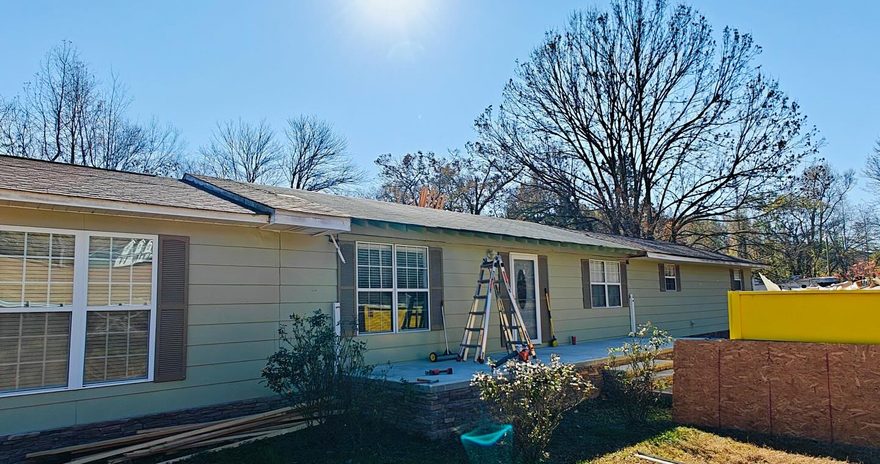
Regular inspections help on the insurance side, too. This Old House notes that your insurer may require a roof inspection if you file a storm damage claim, and will likely send its own adjuster or roofer. A dated record of inspections and photos from before the storm makes it easier to show the damage is new and not long-term wear, which policies generally don’t cover. Our guide to whether home insurance covers a roof leak goes through how Tennessee claims work.
Our inspection reports include photos of every finding, and when we find storm damage, we document it for your insurance carrier.
Inspection Timing in the Sequatchie Valley
Here, we suggest timing the yearly inspection for fall, after the leaves are down and before winter ice. A spring visit adds a check after the worst of the storm season. Homes on the plateau in Monteagle and Tracy City, or tucked under hardwoods on Signal Mountain, do better on the twice-a-year schedule, because heavy leaf fall and shaded, humid roofs clog faster and grow moss.
Our inspections are free, with no obligation and no service call fee, and we can usually schedule within the week. What a paid inspection costs elsewhere, and what it should cover, is in our roof inspection cost guide.
We inspect roofs in Jasper, Kimball, Whitwell and across the valley. To get yours on the calendar, see our roof inspection service or use the form on this page.
Roof Inspection Frequency Questions
How often should you have your roof inspected?
At least once a year for most homes, and ideally twice a year in spring and fall. The NRCA recommends two inspections a year plus one after severe weather, and This Old House says experts generally recommend once a year. Older roofs, roofs under heavy trees and flat roofs should be on the twice-a-year schedule.
Does a new roof need to be inspected?
Yes. The finished roof should be inspected when the job is done, and by the building department where a permit was required. After that, keep it on a yearly schedule: early inspections catch installation details that show up after a season of weather and start a record of care for warranty and insurance purposes.
Should I have my roof inspected after a hailstorm?
Yes. Hail damage is easy to miss from the ground, and bruised shingles keep wearing after the storm and can leak long after the damage was done. Have the roof inspected before you file a claim, so you know whether there is damage to report.
How often should a metal roof be inspected?
At least once a year, plus after high winds, hail, abnormally heavy rain, ice or snow, which is what McElroy Metal recommends for its roofs. Fasteners, trim and flashing are the parts to watch. This Old House notes metal roofs may need less frequent inspections than asphalt shingles.
How often should a commercial roof be inspected?
At least twice a year, typically in spring and fall, plus after any major weather event. Membrane manufacturers such as Carlisle recommend the same every-six-months schedule, and regular inspections help protect the manufacturer warranty.
Do you charge for roof inspections?
No. Our residential and commercial roof inspections are free, with no obligation and no service call fee. You get a written report with photos, and a free estimate if repairs are needed.